Table of contents
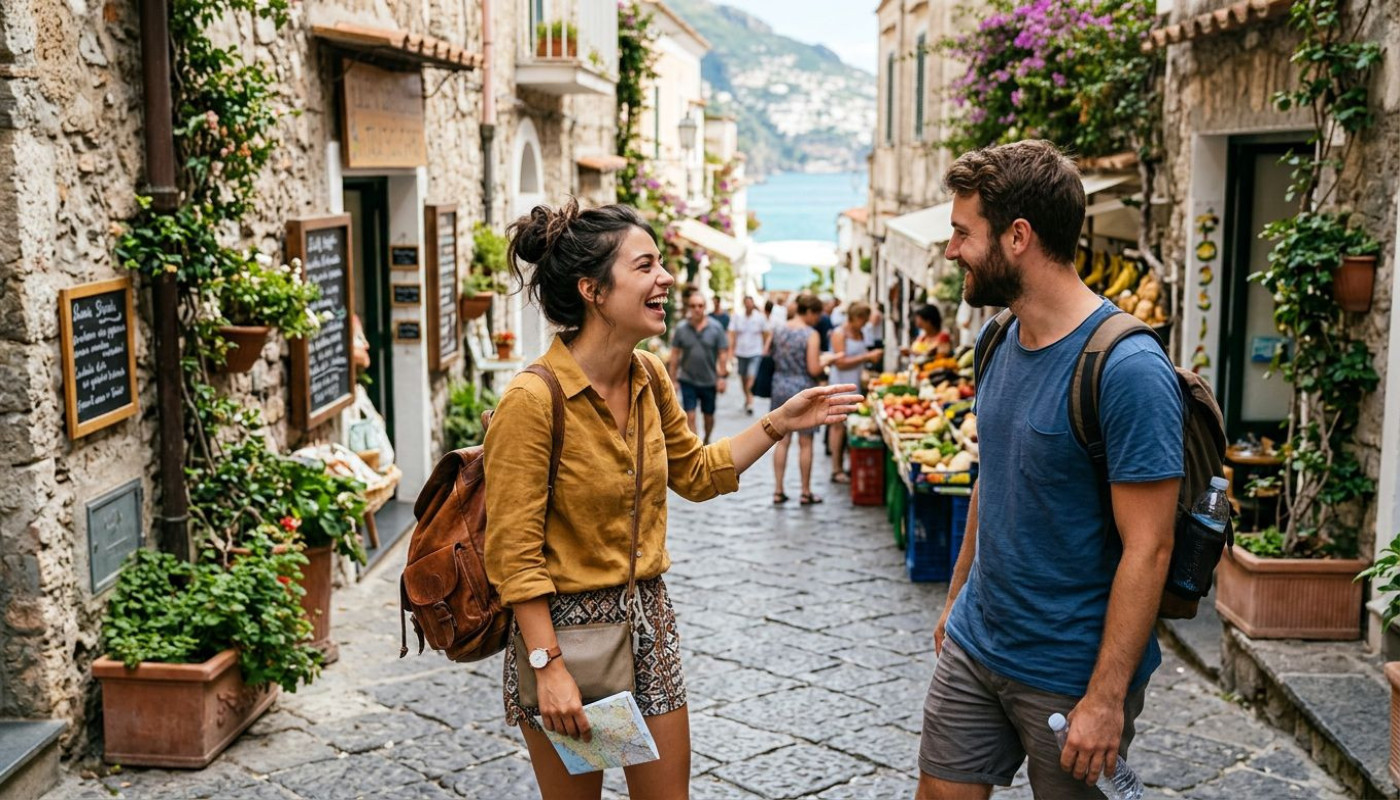
Overplanned trips look efficient on paper, yet in the real world they often collapse under delays, sold-out tickets, weather swings, and the simple fact that cities breathe at their own pace. In 2026, with European visitor numbers back near pre-pandemic levels in many capitals and prices still elevated across transport and lodging, spontaneity is no longer just a romantic idea, it is a practical travel skill. Leave space, and you will spend less time rushing, more time noticing, and you may even save money along the way.
Rigid schedules crumble in real cities
Perfect itineraries rarely survive contact with reality, because urban travel is a chain of variables that no spreadsheet can fully control. Rail strikes and rolling delays remain a feature of life across Europe, while airlines have rebuilt capacity unevenly since the pandemic, and popular attractions now rely on timed-entry systems that can turn a minor delay into a missed slot. Add the pressure of overtourism, which has pushed cities such as Amsterdam, Venice, and Barcelona to experiment with restrictions, reservations, and crowd-management measures, and the “every hour accounted for” approach starts to look fragile.
Even when nothing goes wrong, rigid planning can quietly erode the experience it is meant to protect. Research in tourism studies has repeatedly linked perceived autonomy to higher trip satisfaction, and travelers report greater enjoyment when they feel they are choosing rather than complying. A schedule packed with must-sees also nudges people toward the most congested routes, at the most congested times, because the same guidebooks and social feeds produce the same “optimal” circuits. The result is a paradox: the more you plan to avoid stress, the more you expose yourself to it, and the less room you have for the unexpected street market, the neighborhood festival, or the view you did not know you needed.
Spontaneity is a budget strategy now
Travel costs have shifted in ways that reward flexibility. Hotel pricing is increasingly dynamic, with rates moving not only by season but by day-of-week patterns, citywide events, and last-minute demand spikes. Airlines do the same, and so do many attractions, which now bundle fast-track access into premium pricing tiers. In that environment, spontaneity is not a synonym for “winging it without thinking”, it is the ability to keep options open and choose when the price, the queue, and your energy align.
Data from travel search platforms has consistently shown strong day-to-day volatility in fares, particularly on short-haul European routes where low-cost carriers and legacy airlines compete and adjust pricing rapidly. Accommodation behaves similarly, and in peak months the spread between an early-bird deal and a last-minute rate can be dramatic, but the reverse can also happen when operators discount unsold inventory close to arrival. The point is not to gamble, it is to design an itinerary that can absorb a bargain. If you build in “floating” afternoons or a free day between major stops, you can jump on a reduced-rate museum ticket, swap a pricey guided tour for a self-led neighborhood walk, or take a spur-of-the-moment day trip when train fares and weather cooperate. Flexibility also helps you avoid the costly trap of sunk costs, where non-refundable bookings force you to pay twice when plans change.
Local encounters happen in the gaps
Ask seasoned travelers what they remember most, and they rarely cite the 11:00 slot at a landmark. They talk about the pub conversation that turned into a recommendation, the live music they heard drifting out of a courtyard, the shop owner who insisted they try a regional snack, and the detour that revealed a view. Those moments are not accidents; they are the product of time left unclaimed. Spontaneity creates the conditions for serendipity, and it also encourages a kind of attention that modern tourism, with its constant documentation and optimization, often squeezes out.
In cities with strong cultural programming, the best experiences are frequently ephemeral, and they do not always appear months in advance on international booking sites. A small gallery opening, a one-night whisky tasting, a neighborhood ceilidh, a comedy set, or a seasonal food market may be announced weeks or even days before, and the people who can say yes are the ones with breathing room. This is where planning shifts from controlling every hour to curating possibilities: a shortlist of neighborhoods to wander, a few culinary targets, and a willingness to let locals steer you. In Edinburgh, for example, the city’s rhythm changes with festivals and university terms, and the most rewarding evenings can start with a simple question, “What’s on tonight?” If you want a concrete way to open that door without locking yourself into a rigid template, browsing local options such as https://www.edinburgh-spirit.com/ can help you spot experiences that fit your mood and timing.
How to plan less, and travel better
Freedom loves structure, but only the right kind. The aim is not chaos, it is intentional slack: enough planning to reduce risk, and enough emptiness to let the trip breathe. Start by fixing the non-negotiables, such as international flights, the first night of accommodation, and any truly rare tickets, then work outward with flexible “anchors” rather than rigid timetables. Many travelers find that one major activity per day is the sweet spot, because it leaves room for slow meals, unplanned stops, and the reality of getting lost, which is often how a place becomes memorable.
Next, build a decision toolkit you can use on the ground. Save a short list of neighborhoods, viewpoints, and indoor options for bad weather, and keep a few “if-then” scenarios in mind: if it rains, go for museums and cafés; if the morning is clear, chase the walk with the best light; if you feel tired, trade distance for depth and stay local. Technology can support spontaneity when it is used lightly, not obsessively, for checking transport disruptions, scanning event listings, or reserving timed entry only when you are sure. Finally, accept that missing something is not failure, it is the price of having a real trip instead of a checklist. When you stop trying to “do” a city, you give yourself permission to actually be there, and that is the shift that makes travel feel expansive again.
Book smart, leave space
Reserve only the essentials, and keep refundable options where possible. Set a clear daily budget, then protect a small “spontaneity fund” for last-minute shows, tastings, or day trips. Check local passes and city discounts, and look for off-peak entry times. The best itineraries are not fuller, they are looser, and they make room for the trip you did not plan.
Similar articles
What Adventure Guides Wish You Knew Before Picking Your Next Activity

Is An Excursion Off The Beaten Path Worth The Risk?
Missing Out: How Overlooked Activities Can Define Your Travel Experience

Exploring The Top Trends In Freeride Sports Equipment?

Exploring Hidden River Gems: Unveiling Lesser-Known Adventure Spots

How To Choose The Perfect Catamaran For Your Sailing Trip?