Table of contents
Hidden coves, deserted alleys, nameless viewpoints, the lure is obvious, and so is the question: is going off the beaten path still smart in 2026, when “secret spots” go viral overnight and rescue services warn about avoidable incidents? From overtouristed capitals to rural coastlines, local authorities are tightening rules, insurers are refining exclusions, and travelers are weighing authenticity against exposure. The risk is real, but so is the payoff, and the difference often comes down to preparation, not bravado.
Risk starts before you even leave
Adventure sells, but logistics decide outcomes. The first risks of an offbeat excursion are rarely dramatic; they are administrative, financial, and medical, and they hit travelers who assume that “day trip” equals “low stakes”. In Europe, the cost of a single helicopter rescue can run into thousands, sometimes tens of thousands, of euros depending on the country and circumstances, and even ground evacuations add up quickly when they involve specialized teams, nighttime operations, or remote terrain. Insurance may cover part of it, but many policies draw lines around “hazardous activities”, off-piste routes, alcohol involvement, or ignoring local warnings, and those lines are where disputes start.
Then there is the quiet risk of being unprepared for rules that changed while you were watching reels. Cities and regions have multiplied access restrictions to protect ecosystems and reduce strain on emergency services; seasonal closures, permit systems, and fines are no longer limited to famous national parks. In practice, the “worth it” calculation begins with paperwork: are you allowed to be there, and are you covered if something goes wrong? Travelers who skip that step often discover the answer only after an accident, a ticket, or a refused claim, and by then the offbeat story becomes a costly lesson in fine print.
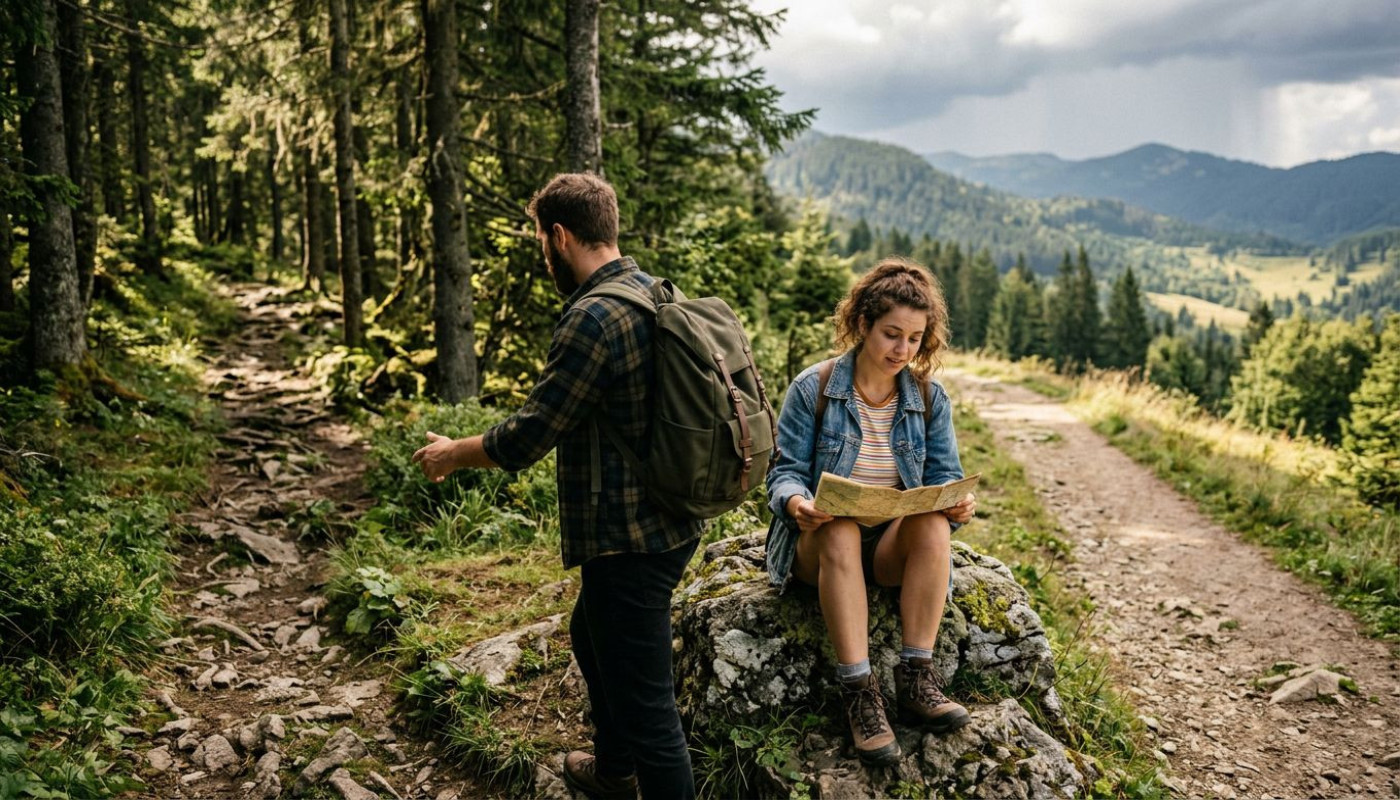
Finally, health and communication matter more than the scenery. A minor ankle twist becomes serious when you have no signal, no offline map, no water buffer, and no one expecting you back at a certain hour. Emergency responders repeatedly emphasize the same basics, and they are boring for a reason: tell someone your route, track weather beyond the city forecast, carry layers even in warm months, and know the local emergency number. Off the beaten path is not inherently reckless, but going there without a plan is, and the modern travel paradox is that information is everywhere, yet preparation is increasingly optional in people’s minds.
Not all “hidden” places are equal
One cliff path is a postcard; another is a fatality statistic waiting to happen. The offbeat label covers radically different realities, and travelers who treat them as the same category misjudge risk. Urban detours, for example, often feel safe because they are near cafés and transit, yet they bring their own problems: petty crime in poorly lit corridors, illegal short-term rentals in unsafe buildings, and neighborhoods where tourists stand out. Rural detours invert the equation; crime risk can drop, while exposure, navigation errors, and delayed help rise sharply.
Nature adds an extra layer: environmental volatility. Flash floods can turn a gentle ravine into a trap in minutes, heat can undermine decision-making long before symptoms feel alarming, and coastal paths can be cut off by tide and swell. The popular idea that “it’s just a short walk” is one of the most persistent drivers of accidents, because distance is less important than terrain, daylight, and bailout options. In several European destinations, local authorities have stepped up signage and barrier systems after repeated incidents at the same “Instagrammable” points, and the message is blunt: the danger is not theoretical, it is repeated and predictable.
Even culture-focused excursions carry risk when they involve informal operators or semi-legal access. Abandoned buildings, disused tunnels, unofficial viewpoints on private land, and “secret” party spots can involve trespassing, unstable structures, and sudden police checks. Travelers sometimes frame that as “edgy local life”, but locals often experience it as nuisance or damage, and the backlash is visible in stricter enforcement. If a place is hidden because it is protected, unstable, or privately owned, the risk is not a badge of honor; it is a signal, and the best offbeat choices are those that are lesser-known, not illegitimate.
Local guides change the equation
Want authenticity without guessing games? A competent local guide is the most practical way to reduce uncertainty while keeping the payoff of discovery, because they translate not just language, but context, seasonality, and unwritten rules. They know which streets are fine by day but unpleasant at night, which trail looks easy on a map but turns muddy after rain, and which “hidden” spot is actually a protected area where entry is discouraged. They also know how to pace a visit, where to stop for water, and how to adapt when a route becomes unsafe, which is precisely what many independent travelers struggle to do under the pressure of “sticking to the plan”.
Guiding is not magic, and travelers should still ask basic questions: what is the group size, what is the plan B, is the activity appropriate for your fitness level, and what safety equipment is included? The point is not to outsource responsibility, it is to buy expertise where it matters. In cities with complex histories and layered neighborhoods, guides can also reduce the social risk of being an intrusive spectator, because they help visitors understand what is appropriate to photograph, how to behave in residential spaces, and how local communities experience tourism. That is not just ethical; it is also practical, because respect lowers conflict and keeps experiences open rather than shut down by backlash.
If you are planning an offbeat day around Kraków, for instance, structured options exist that go beyond the obvious routes while keeping logistics, timing, and local knowledge on your side, and you can start by checking https://www.krakow-trip.com/ to compare excursion formats and understand what is feasible in a single day. The most underrated benefit is not convenience, it is clarity: what is safe, what is realistic, and what will still feel special when you are not sprinting to beat sunset or decipher transport delays. In other words, a good operator does not remove the edge of travel, it removes the avoidable parts of risk.
So, is it worth it? Ask these questions
Worth it is not a mood, it is a checklist. The most useful question is not “am I brave enough?”, it is “what happens if this goes wrong?”. If the honest answer is “I don’t know”, the excursion is not ready. Start with conditions: weather, daylight, and crowd density, because the same place can be safe at 10 a.m. and dangerous at 6 p.m. Then look at your route’s friction points: poor signal, long stretches without water, single-track paths with no turnaround spots, and the need for specialized footwear or equipment. These are not deal-breakers, but they are factors that demand mitigation.
Next, measure your own capacity without romanticizing discomfort. Fitness matters, but so do your experience with navigation, your tolerance to heat or cold, and your ability to make calm decisions when plans change. Travelers often overestimate confidence and underestimate fatigue, and that gap is where mistakes happen: missed turns, pushing on despite weather, skipping meals, and leaving too late. A simple habit helps: build in margins. Leave earlier than you think, carry more water than you think, and keep a “hard stop” time when you turn around regardless of progress. That single rule has prevented countless minor problems from turning into emergencies.
Finally, consider the social and environmental cost, because “worth it” includes what your presence does to the place. If a spot is fragile, sacred, residential, or already under pressure, your choice affects whether it remains accessible, and the global pattern is clear: once a hidden place becomes a trend, restrictions follow. The smartest offbeat travelers are not the ones who find the most secret corner, they are the ones who find a meaningful experience that does not require trespassing, littering, drone noise, or risky shortcuts. When your plan balances legality, safety margins, and respect, the reward is real: less crowding, deeper context, and a sense of discovery that does not rely on courting danger.
Practical planning, not heroic stories
Book early for peak dates, especially if you want a small-group format, and set a budget that includes transport buffers and a paid guide when conditions are uncertain. Check what your insurance excludes, and if needed, upgrade for specific activities. Use official alerts, carry offline maps, and keep cash for contingencies.
Similar articles

What Your Travel Itinerary Reveals About Your Cultural Curiosity
Why Your Next Travel Itinerary Needs More Spontaneity
What Adventure Guides Wish You Knew Before Picking Your Next Activity
Missing Out: How Overlooked Activities Can Define Your Travel Experience

Exploring The Top Trends In Freeride Sports Equipment?

Exploring Hidden River Gems: Unveiling Lesser-Known Adventure Spots

How To Choose The Perfect Catamaran For Your Sailing Trip?